



On removing more than you add, and allowing light, space, and structure to do their work.
⸻
There was a time when I thought creating a beautiful home meant adding more.
More objects.
More layers.
More pieces to fill the space and make it feel complete.
But over time, I started to notice something different.
The spaces I was drawn to most
weren’t the ones that felt full.
They were the ones that felt… open.
⸻
Not empty.
Just… considered.
⸻
Light moved differently through them.
The structure of the room became part of the experience.
Even the quiet spaces—walls, shelves, corners—felt intentional.
Nothing was competing for attention.
And because of that, everything could be seen more clearly.
⸻
I didn’t have a name for it at first.
I just knew it felt better.
⸻
I think part of it comes from where I grew up.
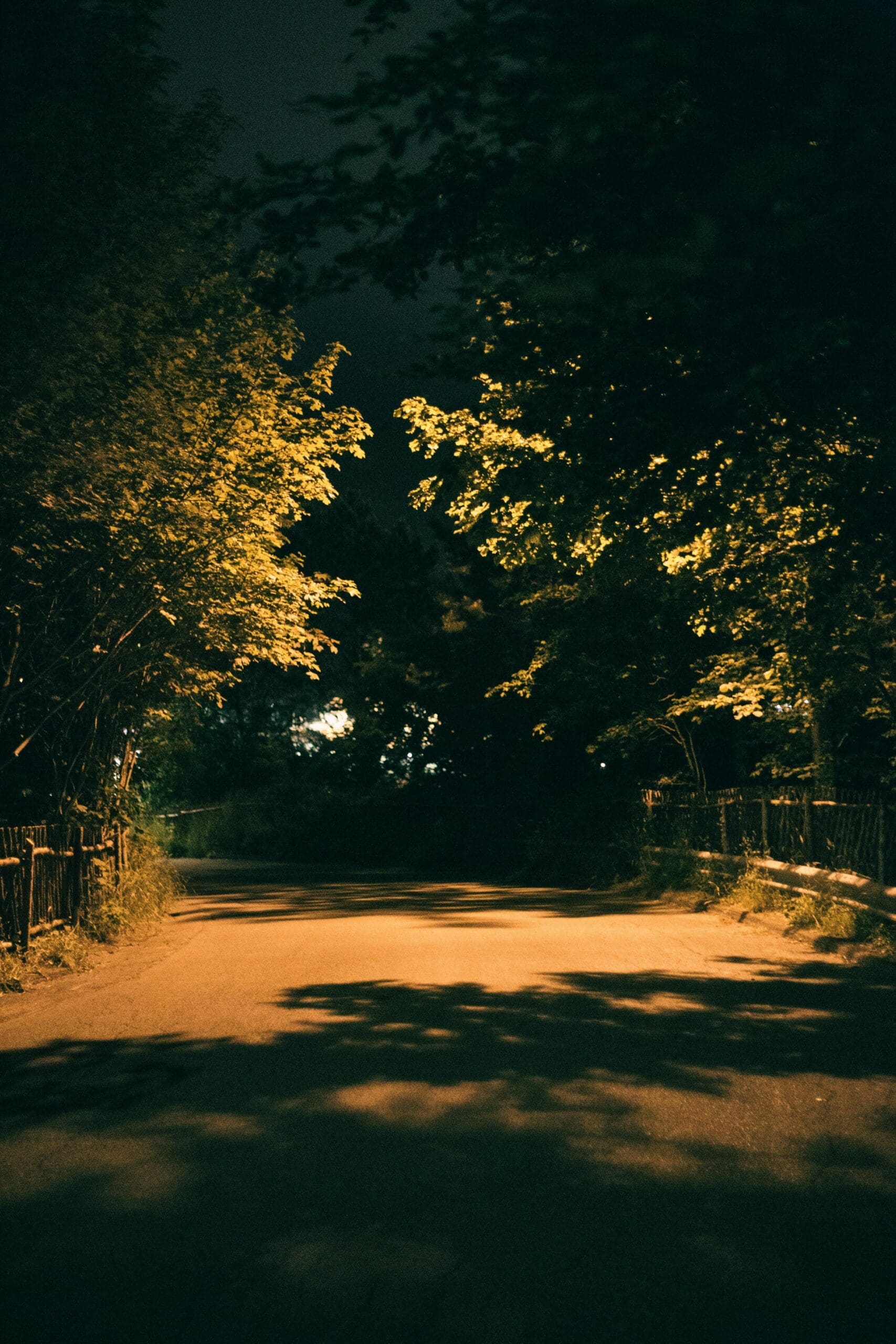
A dirt road.
Woods that stretched further than you could see.
In the summer, everything was lush—
deep green, layered, alive in a way that felt endless.
And in the winter, it all stripped back.
The leaves would fall.
The landscape would quiet.
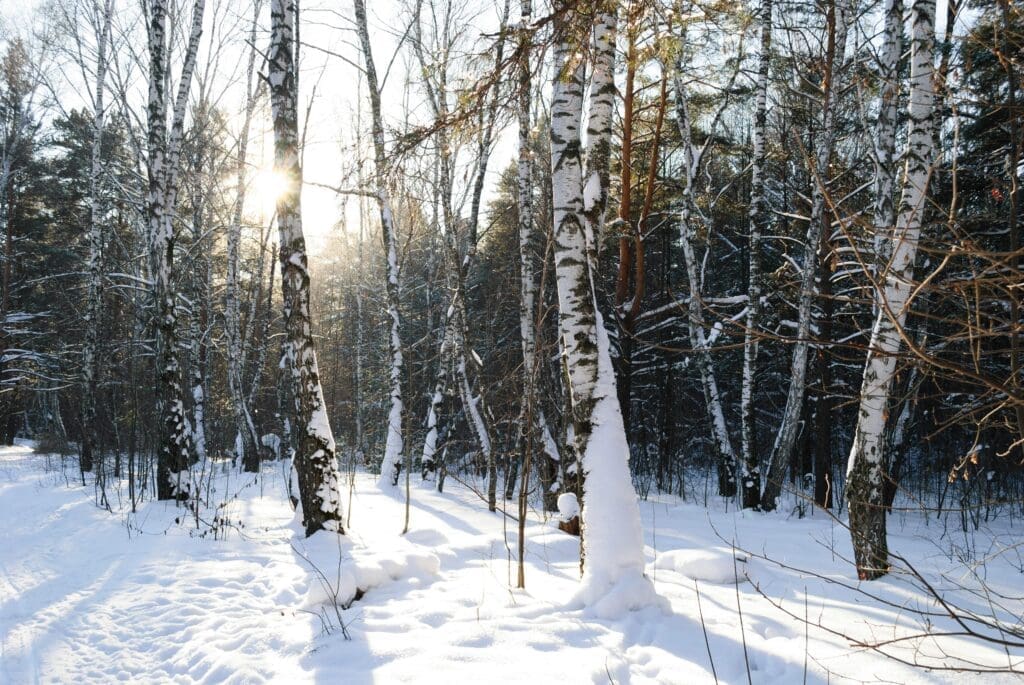
And suddenly it was just birch trees—white against the sky—
and the deep green of the pines holding their place.
There was nothing unnecessary.
Nothing added.
Just space, light, and whatever the season chose to leave behind.
⸻
I didn’t think of it as design then.
But I think I’ve been trying to return to that feeling ever since.
That sense of openness.
Of clarity.
Of not needing to fill every space to make it feel complete.
⸻
So I started making small changes.
Not by redesigning everything.
Not by replacing what I had.
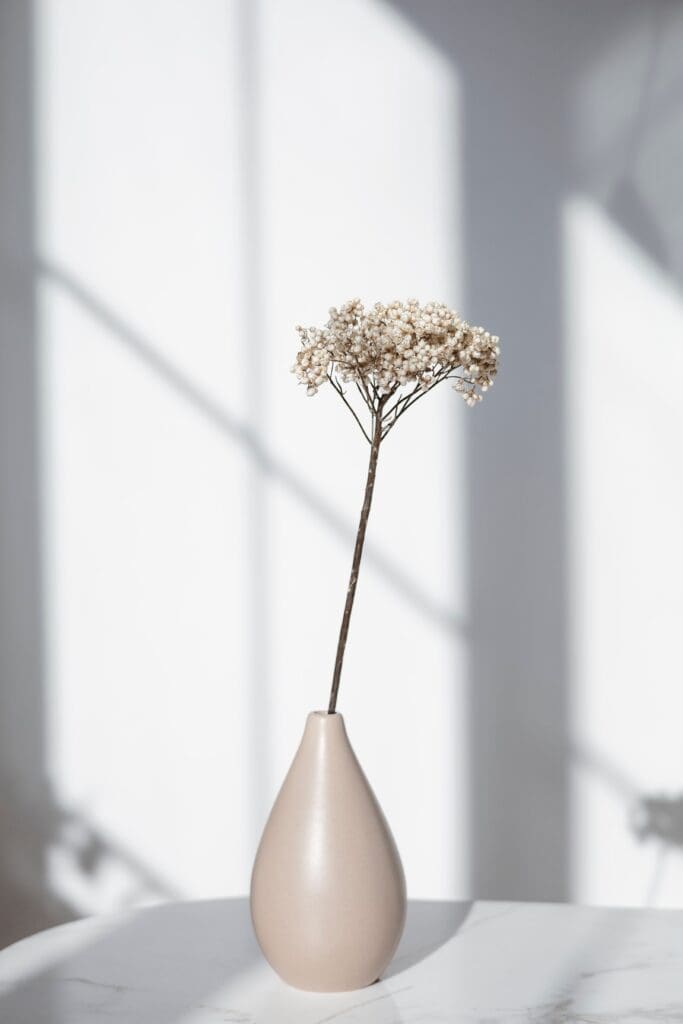
But by removing.
⸻
A few things from the shelves.
A few objects from surfaces.
Pieces I once thought I needed to make the space feel finished.
At first, it felt incomplete.
Like something was missing.
⸻
But then something shifted.
The room didn’t feel empty.
It felt like it could finally breathe.
⸻
And once I noticed that, I couldn’t unsee it.
⸻
Now, I think about my home differently.
Not as something to fill,
but as something to support how I want to live.
⸻
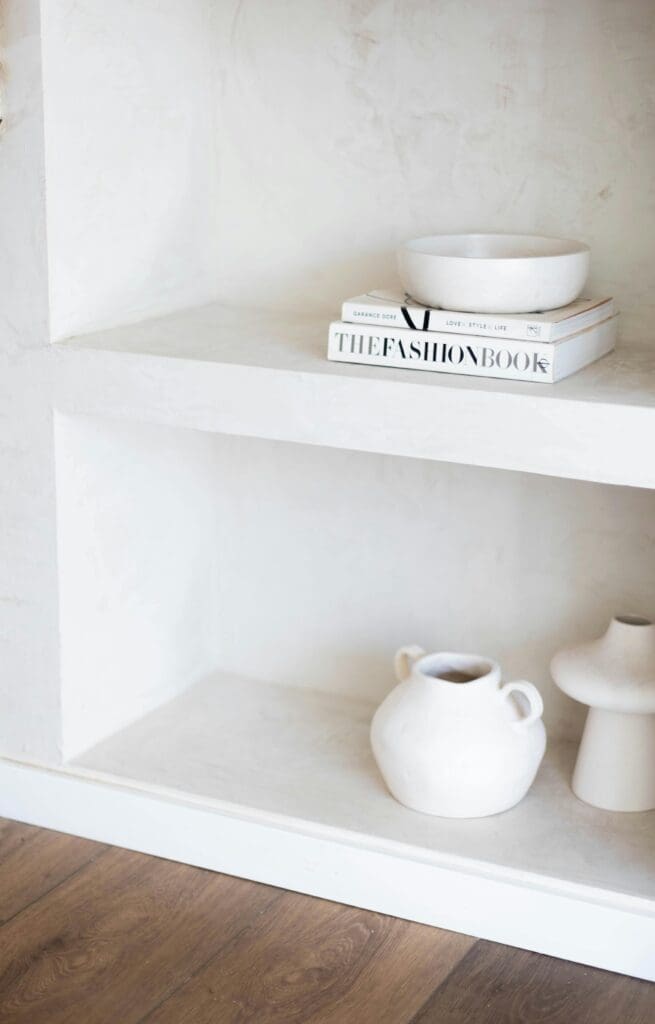
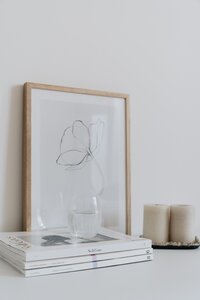
The shelves don’t need to hold everything.
Just a few pieces that matter.
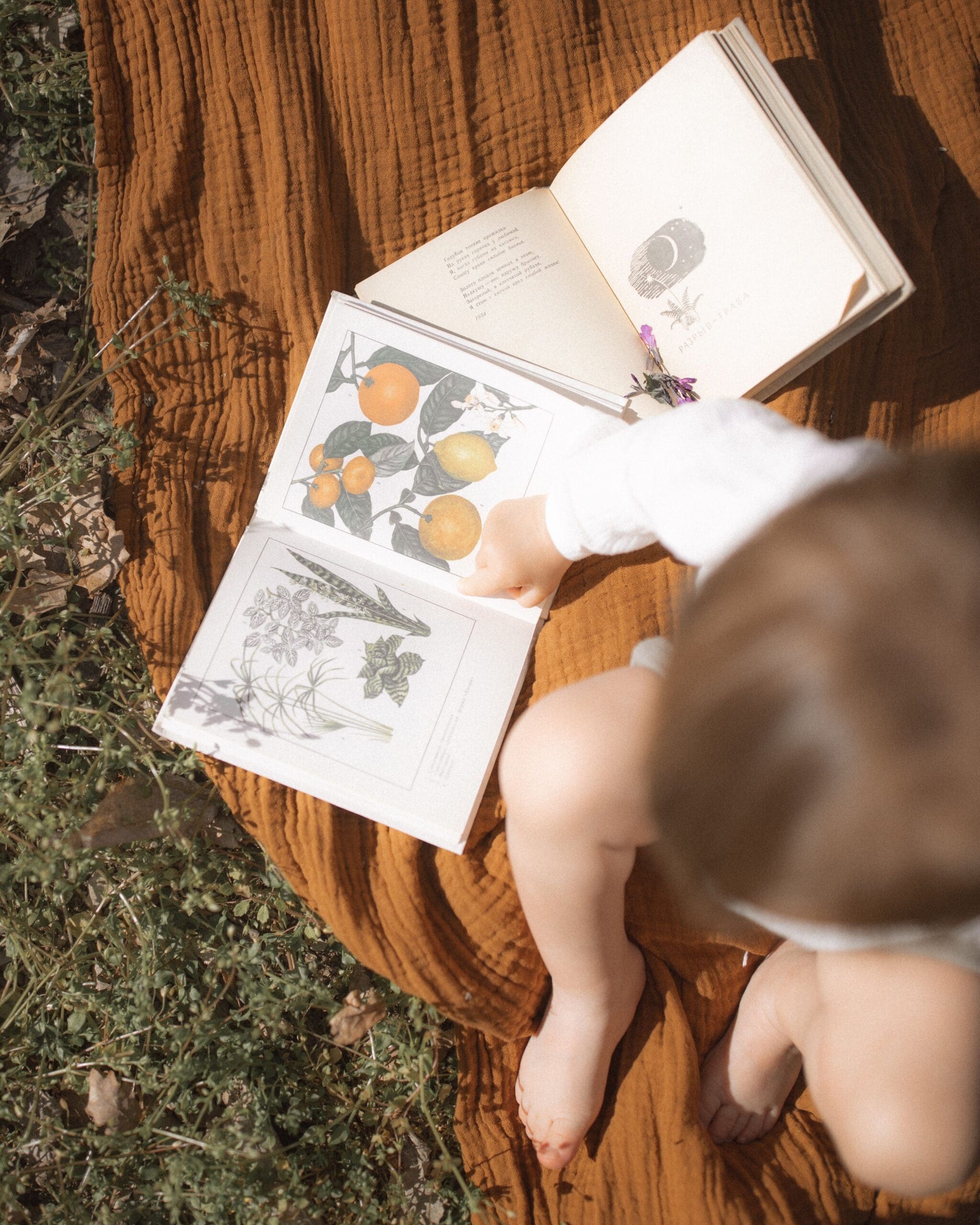
A stack of books I return to.
A small object with history behind it.
Something organic—wood, linen, a branch, a stone.
The rest is space.
⸻
Because space isn’t absence.
It’s what allows everything else to feel intentional.
⸻
I’ve realized that light does more work than we give it credit for.
So does proportion.
So does stillness.
When you stop trying to control every corner,
you start to notice what the room already has to offer.
⸻
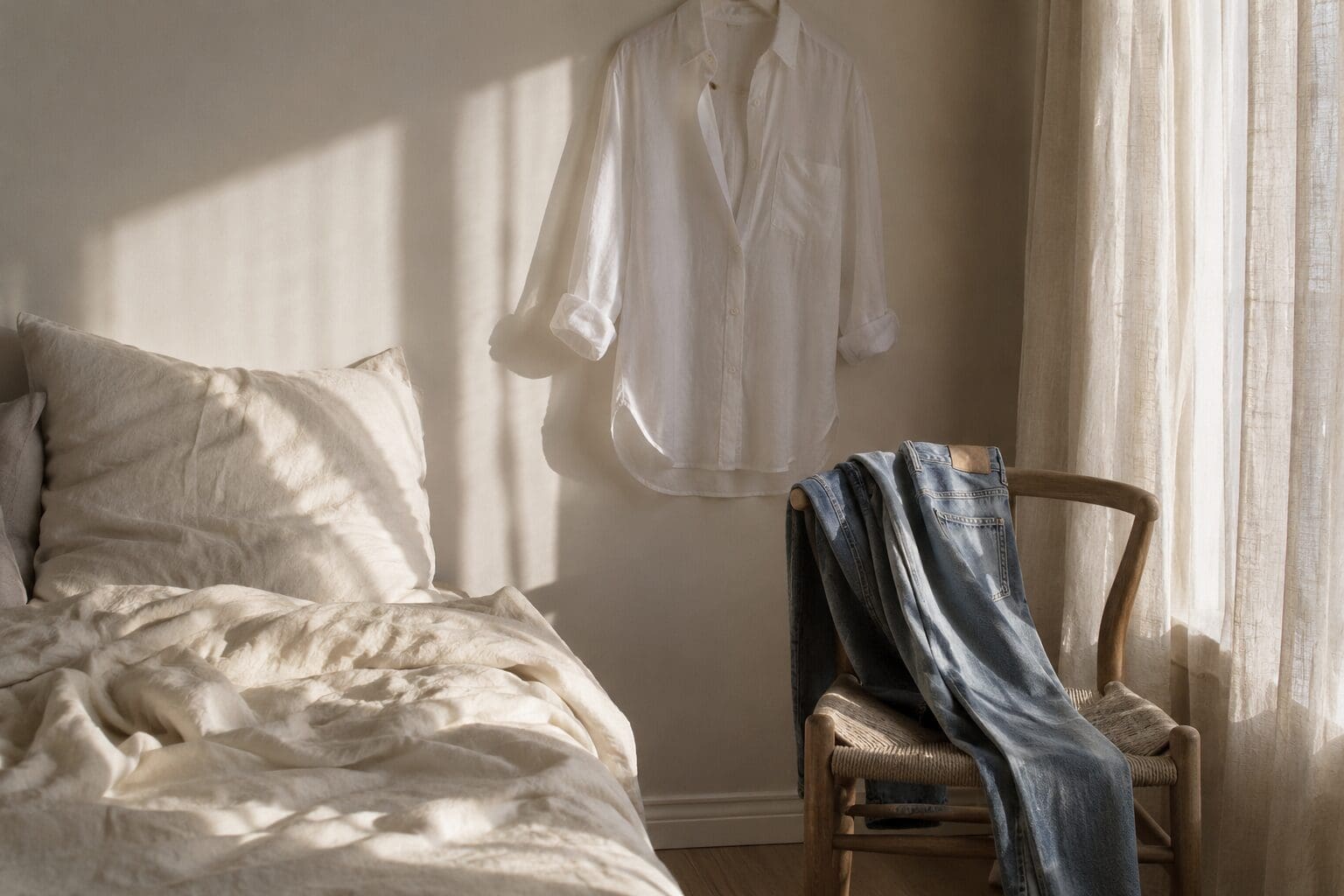
The way the sun moves across the floor in the morning.
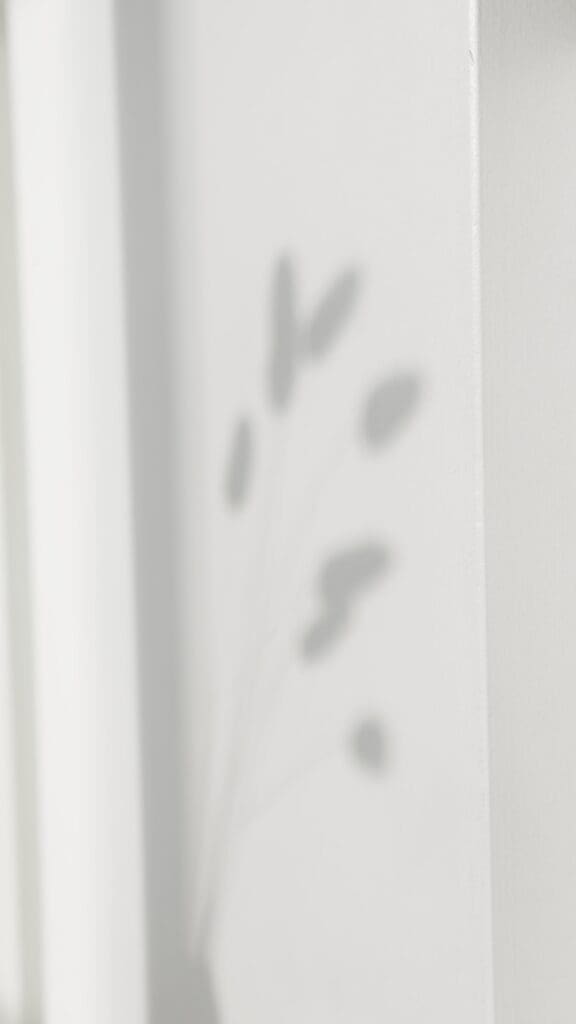
The way a shadow falls against a wall in the afternoon.
The quiet shift in tone as the day winds down.
⸻
None of that needs to be added.
It just needs to be left alone.
⸻
There’s a certain restraint in that.
A decision not to overwork something.
To trust that the feeling you’re after
doesn’t come from more.
⸻
It comes from editing.
From stepping back.
From allowing the space to hold its own weight.
⸻
I still love beautiful things.
Pieces with texture.
Objects with story.
Details that feel thoughtful and lived in.
But now, I think of them differently.
⸻
Not as decoration.
But as part of a composition.
⸻
And like anything well composed,
what you leave out matters just as much as what you include.
⸻
Letting a home breathe isn’t about minimalism.
It’s not about having less for the sake of it.
⸻
It’s about creating room—for light, for movement, for calm.
For the kind of living that doesn’t feel rushed or overdone.
⸻
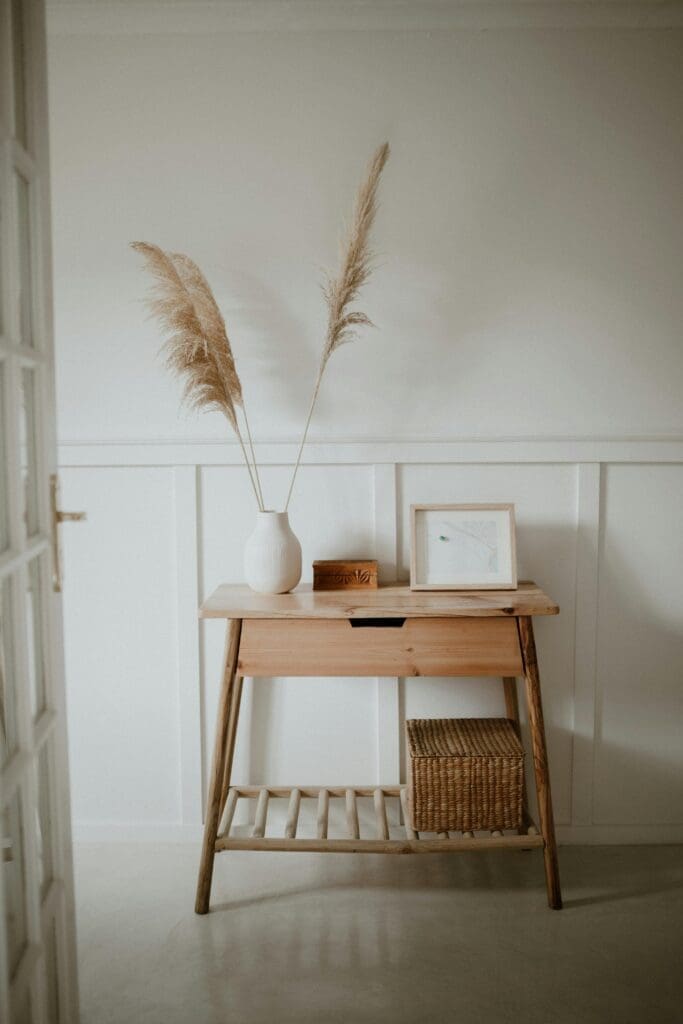
A home that doesn’t try too hard.
Because it doesn’t need to.
⸻
Over time, I’ve realized that the spaces I feel most at ease in
aren’t the ones that impress.
They’re the ones that allow me to settle.
⸻
And maybe that’s the goal after all.
Not to build a perfect home—
but to create one that feels like something you recognize.
⸻
Open.
Quiet.
Unforced.
⸻
Like the places you come from,
and the feeling you find yourself returning to again and again.




Read the Comments +